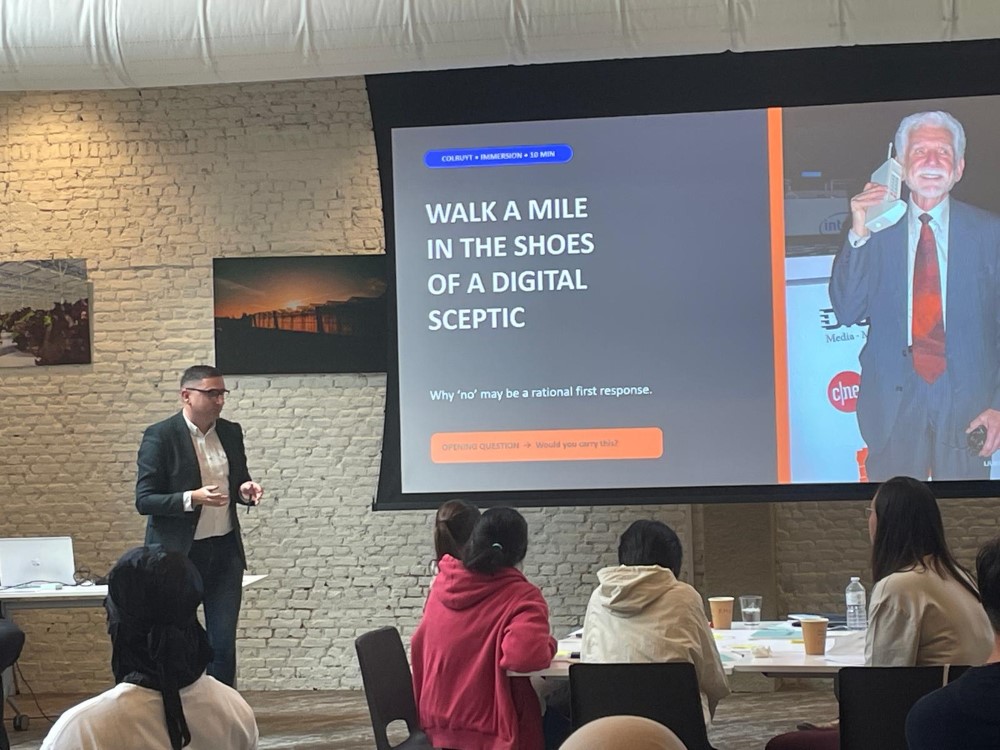
Students of the Business Informatics Study Programme at the Faculty of Economics, University of Banja Luka, who are also active members of the E-business Laboratory – E-lab, participated in the international summer school “Lowering Barriers for Minority Groups in Retail”, hosted by Thomas More University of Applied Sciences in Antwerp, Belgium.
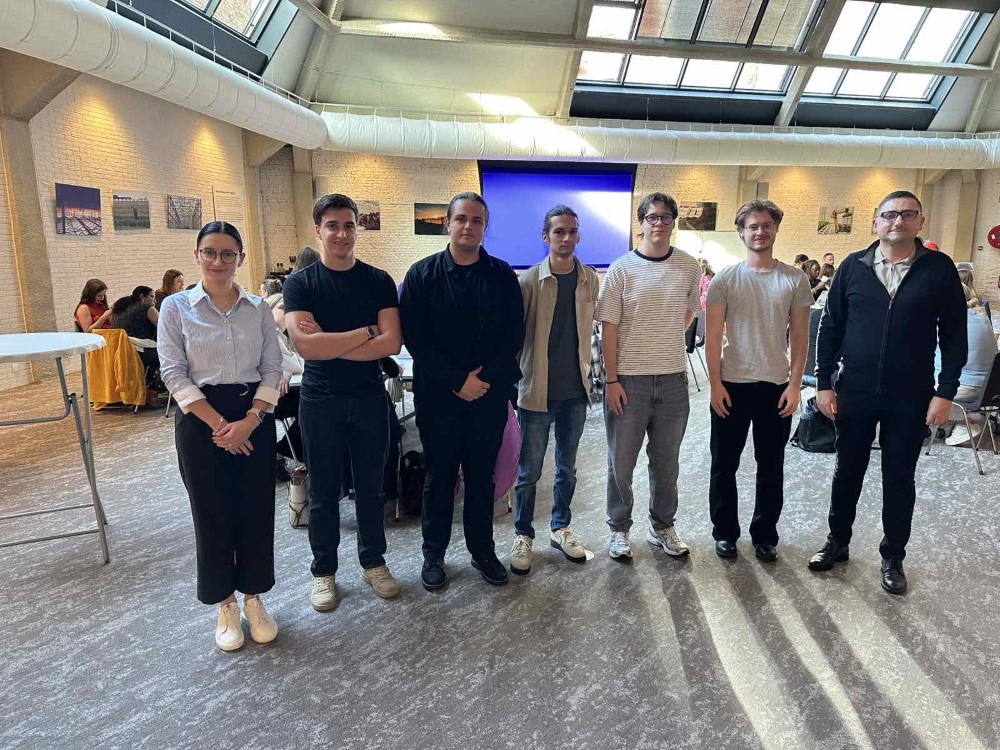
The University of Banja Luka delegation included students Ernad Lepir, Miloš Mitrović, Milan Radovanović, Petar Čavić and Vladan Ševa, while Assistant Professor Ljubiša Mićić, PhD, and Senior Teaching Assistant Milica Marić participated as lecturers and mentors.
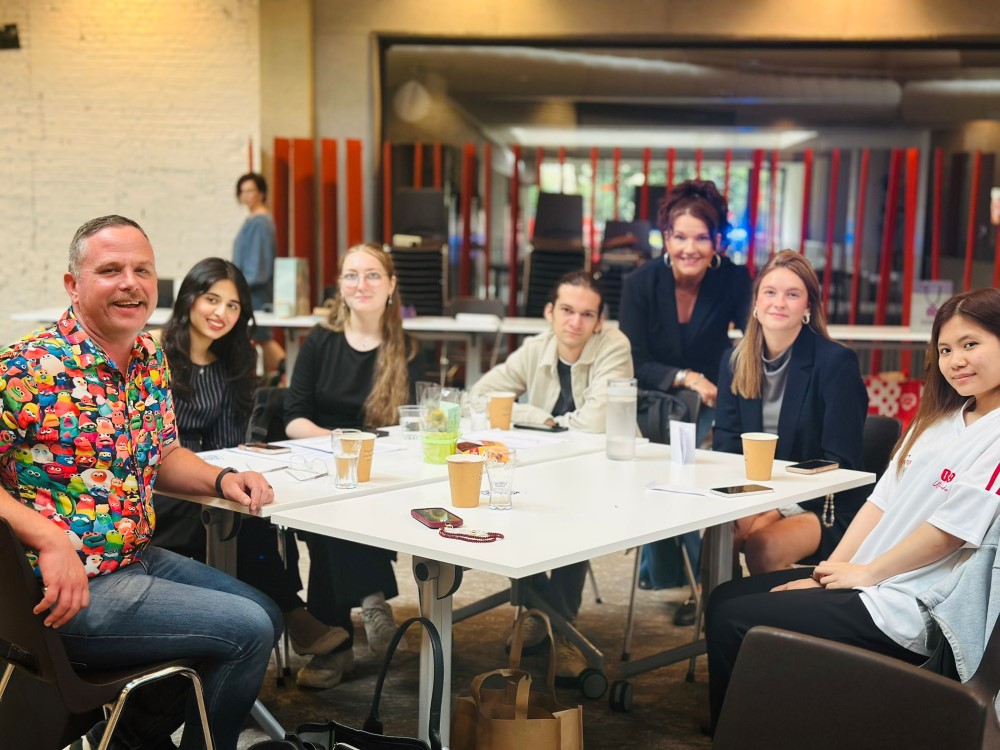
The summer school brought together more than 40 students, professors and experts from different parts of the world, including participants from Cuba, South Africa and India, as well as Belgium, Germany and other European countries, giving the programme a strongly international and intercultural character.
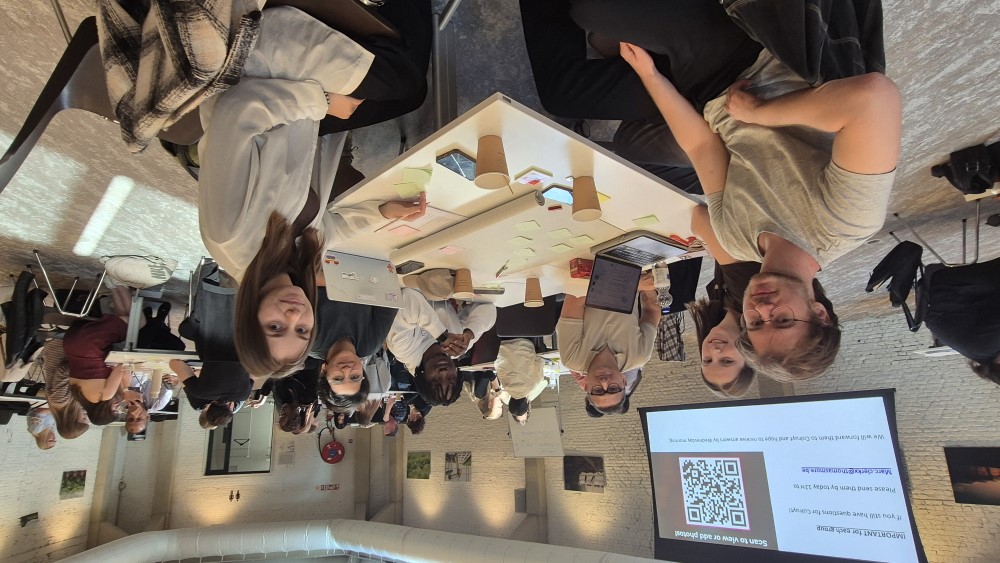
The central part of the summer school focused on a real-life business challenge presented by Colruyt Group: how to reduce barriers faced by different customer groups when using digital retail solutions and how to make such solutions more accessible and inclusive. The programme combined multidisciplinary teamwork, Design Thinking, user research, ideation, prototyping and final pitching.
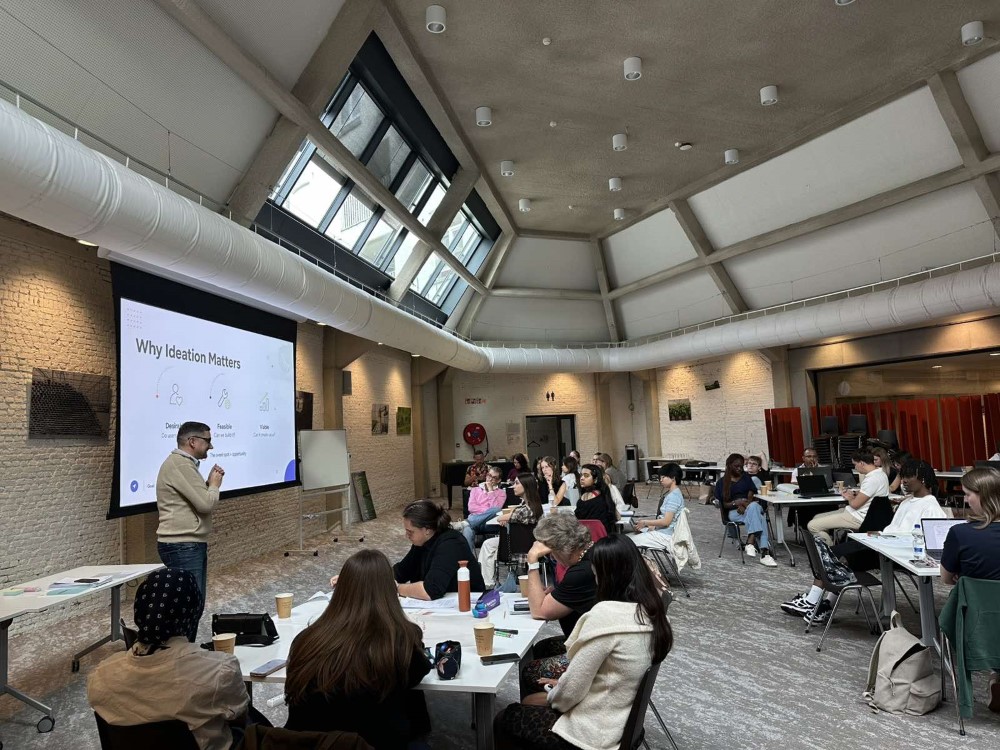
During the programme, Assistant Professor Ljubiša Mićić delivered two sessions. In “Walk a Mile in the Shoes of a Digital Sceptic”, he explored why customers sometimes resist digital technologies and how empathy and human-centred design can contribute to more inclusive and effective digital solutions. He also led an “Ideation & Brainstorming / Design Thinking” workshop, guiding students from problem understanding towards creative and applicable solutions.
A particularly notable achievement was recorded by Ernad Lepir, who was a member of an international student team that won second place in the final competition for its proposed solution and presentation.
The participation of Business Informatics students in this summer school represents another step in the internationalisation of the study programme and in connecting Business Informatics education with real-life business challenges, digital technologies, creativity and human-centred innovation.
Gallery