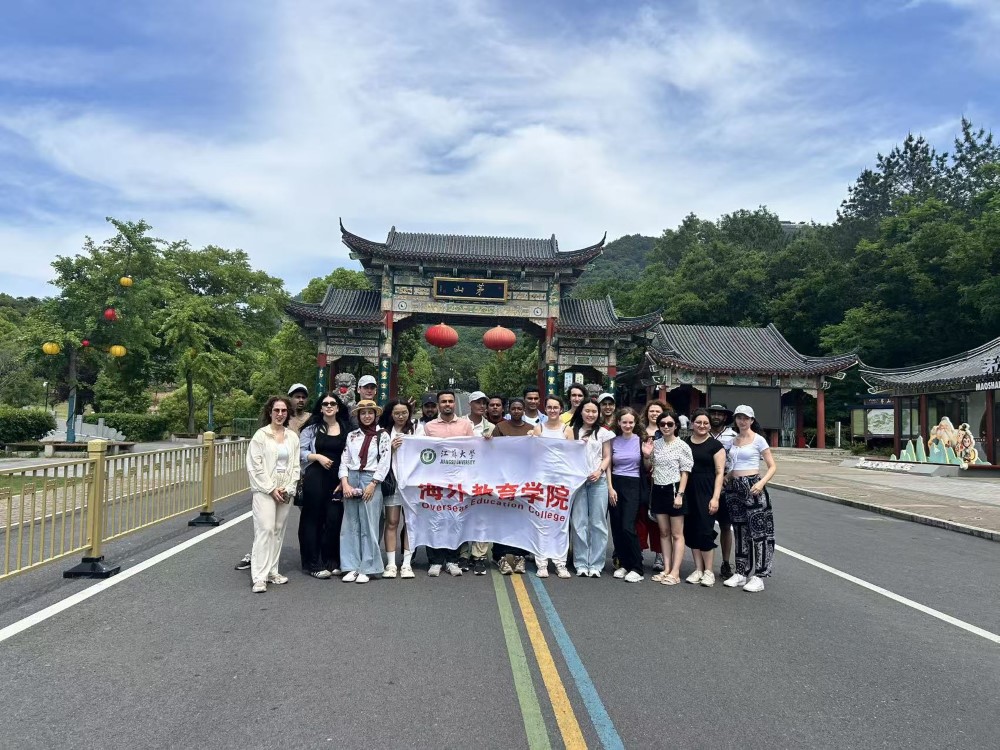
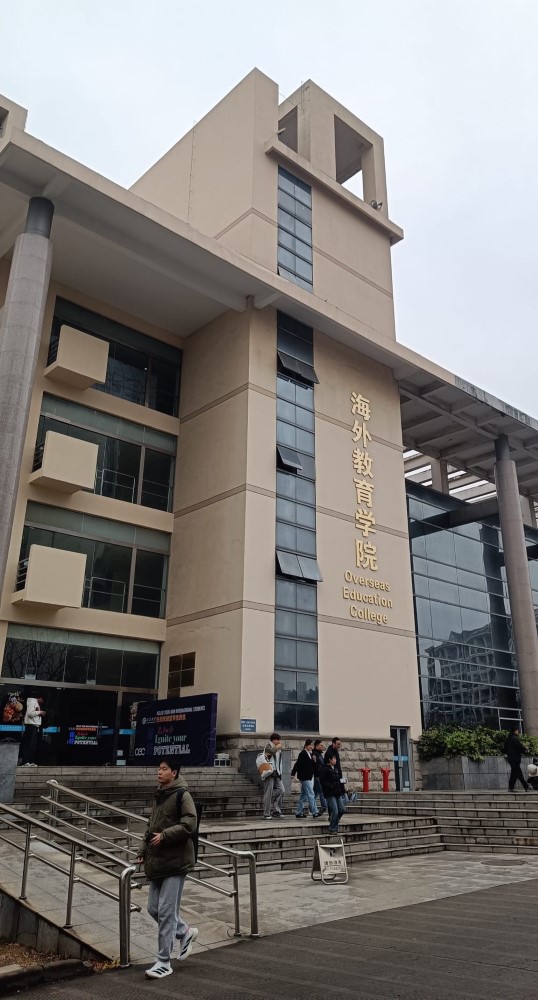
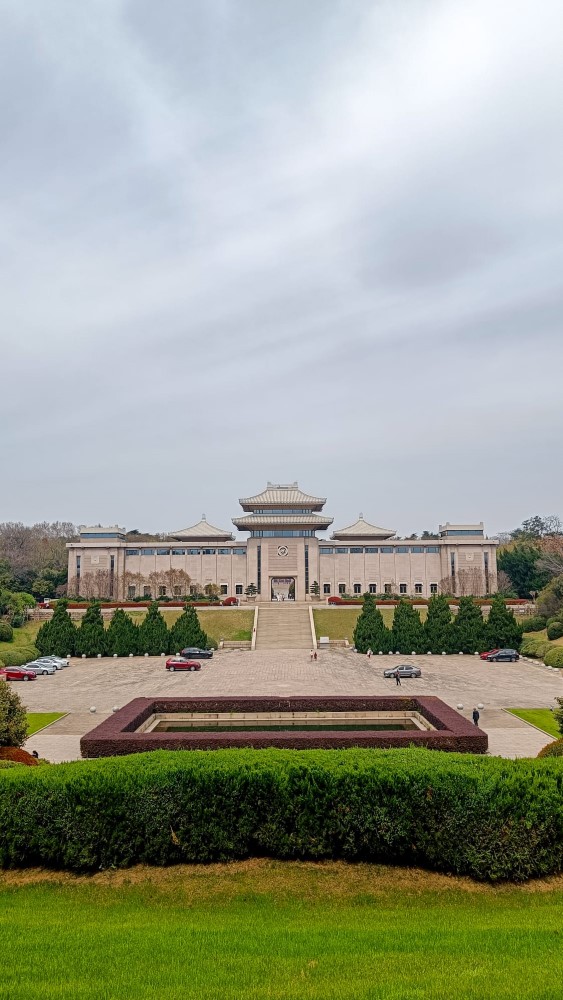
“Let us go somewhere east; we will surely find something there for us” is a sentence many have uttered before setting off towards the East. In my case, that destination was Jiangsu University, located in Zhenjiang, in Jiangsu Province.
As a third-year student at the Faculty of Economics, University of Banja Luka, I spent five months of the summer semester in the People’s Republic of China. The experience can perhaps best be described through several key aspects of my stay.
First and foremost was the host institution itself. As a university with one of the highest shares of international students, Jiangsu gave me an excellent opportunity to test my sense of probability: between lectures, I could simply listen carefully and try to guess which language I was most likely to hear next – English, French, Chinese, Arabic, Swahili, Bahasa Indonesia, or perhaps something entirely different. In addition to the diversity of the student body, the expertise of the professors and their willingness to answer every question, both during and outside class, significantly strengthened my interest in pursuing further academic studies.
The second important aspect was the exceptionally high level of student engagement and the wide range of extracurricular activities offered throughout the semester. Activities intended for students of economics and related disciplines included visits to local and regional companies, where discussions with company management were organised, production facilities were toured, and, in some cases, students were even given the opportunity to participate in parts of the production process – such as picking and drying green tea.
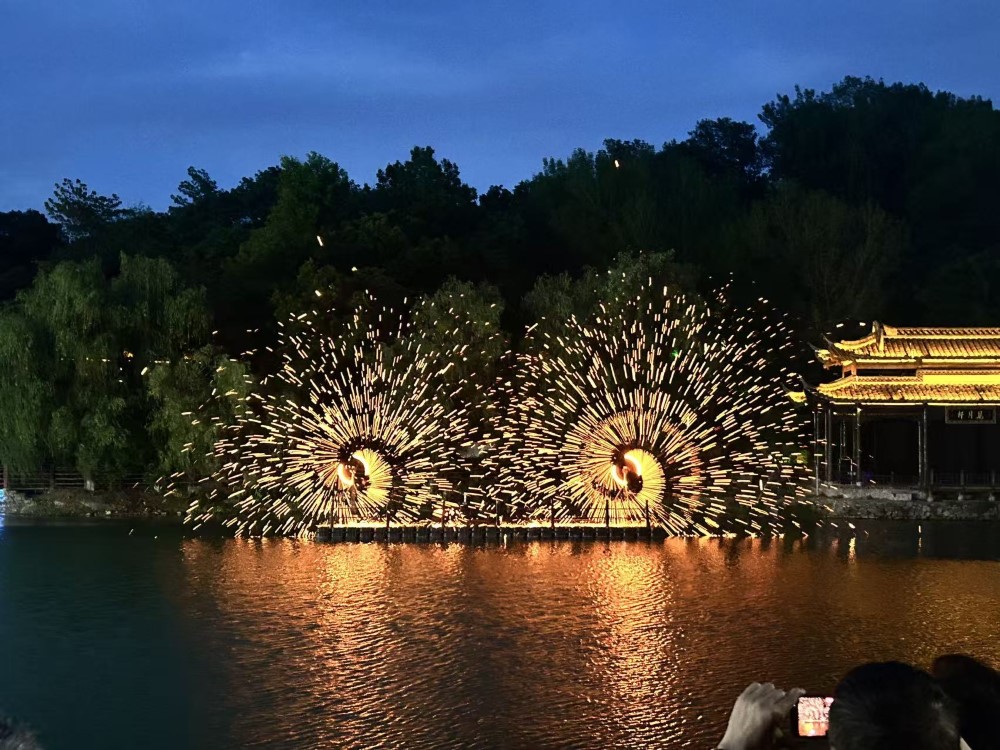
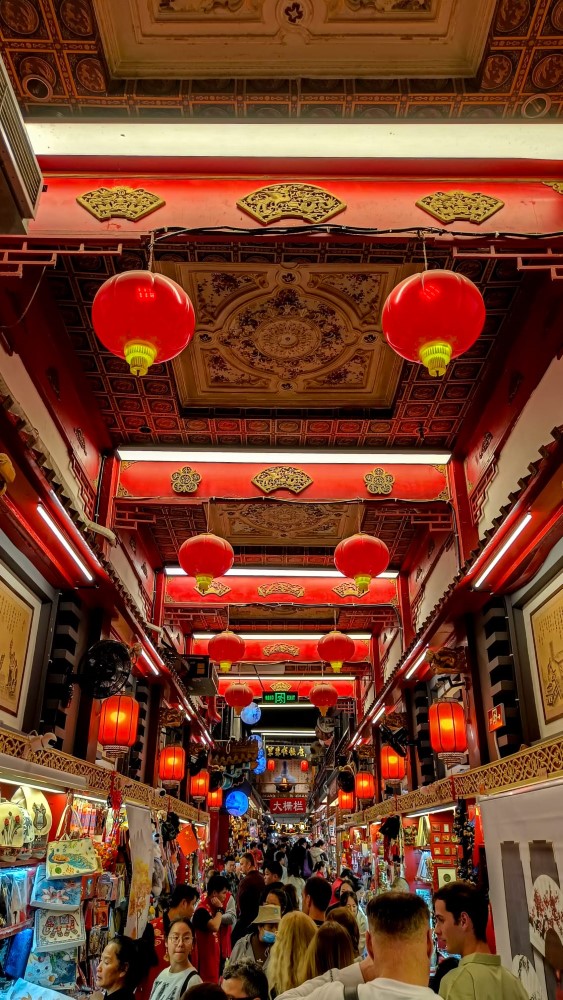
In addition, general extracurricular activities brought together students from different academic backgrounds with the aim of introducing us directly to various aspects of Chinese culture. One of the most memorable experiences was a trip to Jurong, during which we visited the ancient town, Buddhist and Taoist temples, and concluded the day with a traditional iron flower performance.
Finally, it would be entirely unjustified not to mention the friendships I made and brought back home with me. Whether we were working on a joint project, organising a cultural festival, or discussing macroeconomic analyses and the future late into the night, every friendly face, in its own way, strengthened my conviction that taking part in this exchange was one of the best decisions I could have made.
I owe a great debt of gratitude to Jiangsu University and to everyone who, in one way or another, helped make this exchange possible.
Gallery