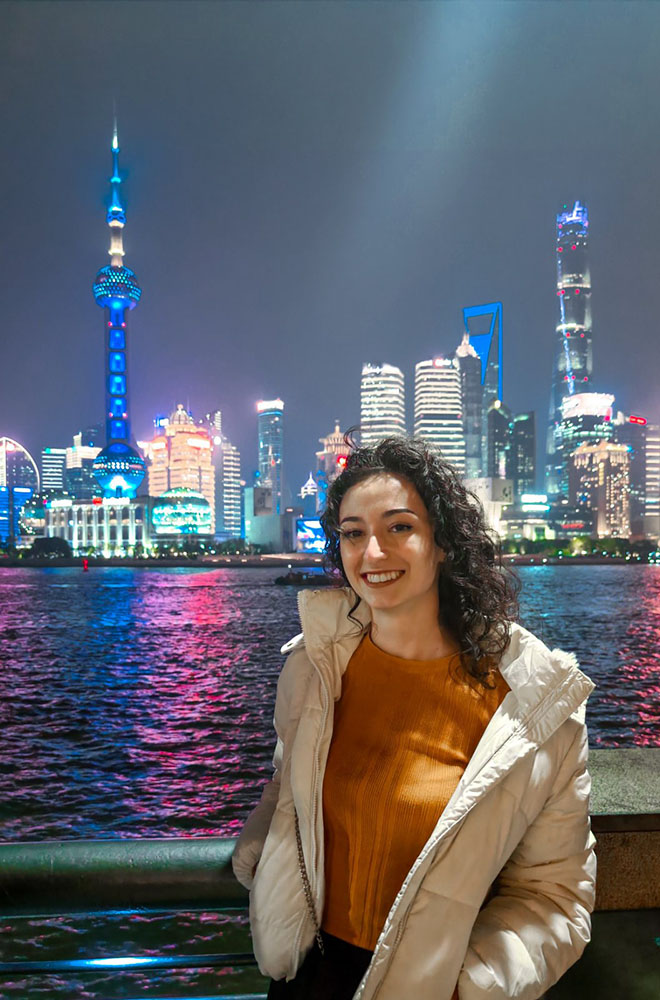
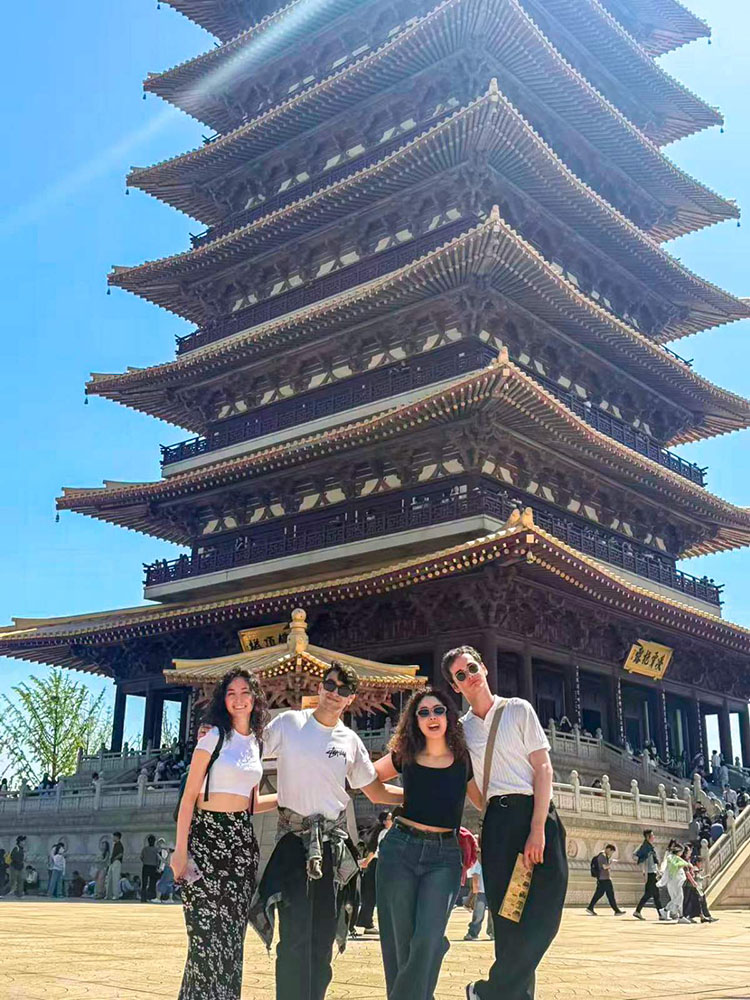
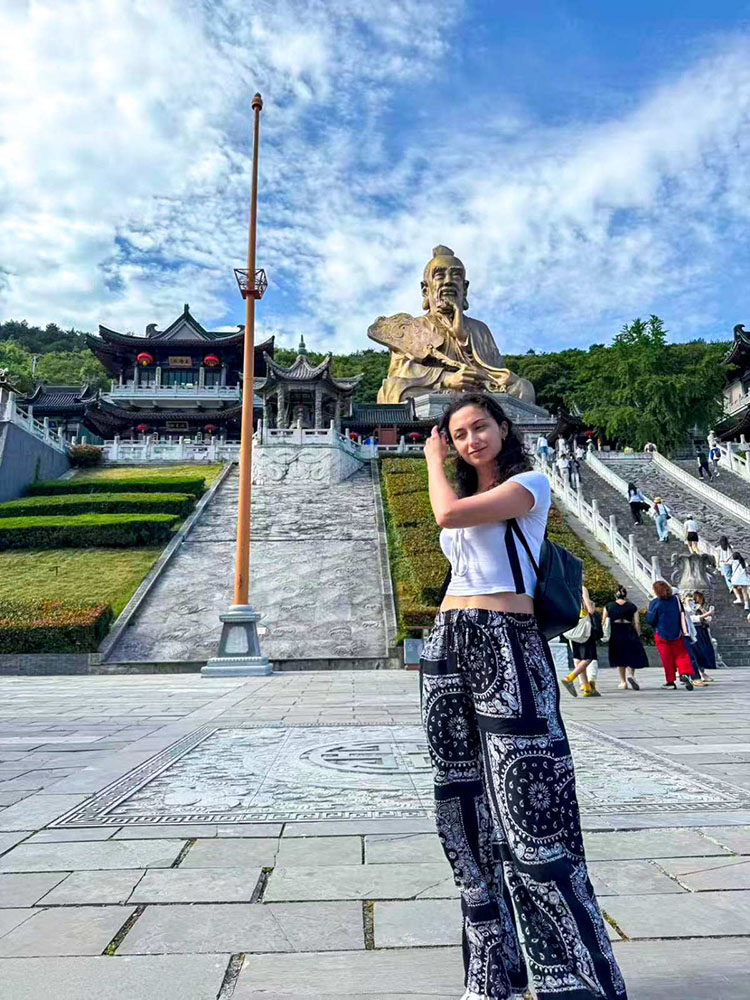
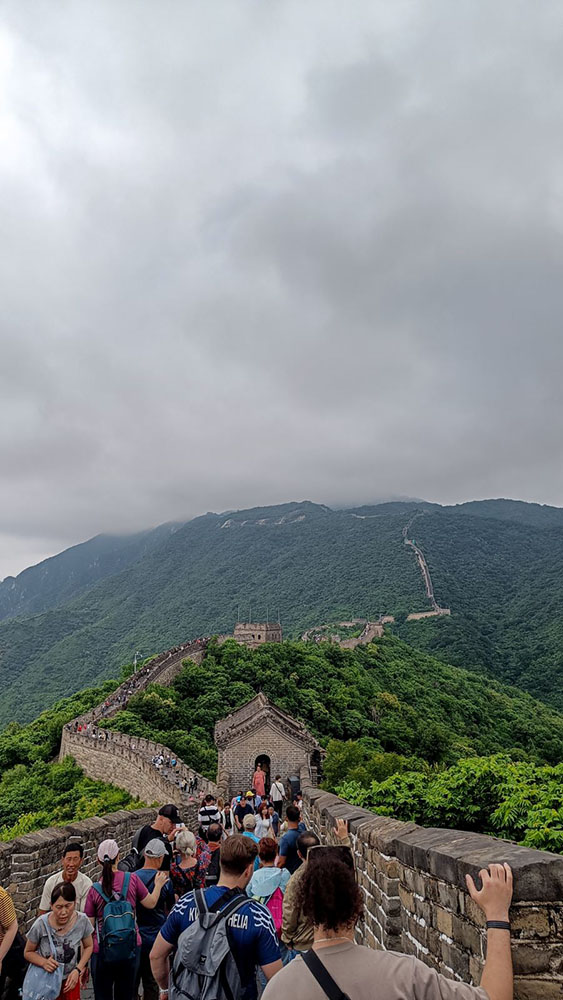
My name is Nina Marić, and I am a fourth-year student at the Faculty of Economics, University of Banja Luka. From March to July 2026, I studied at Jiangsu University in Zhenjiang, China, through a bilateral agreement between the two universities.
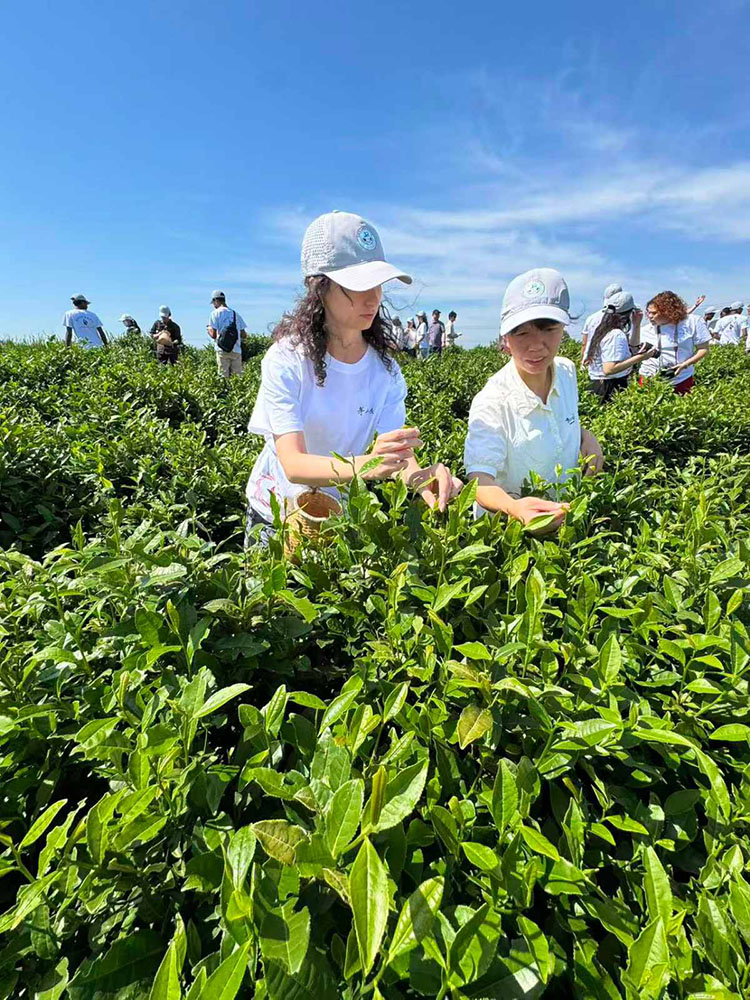
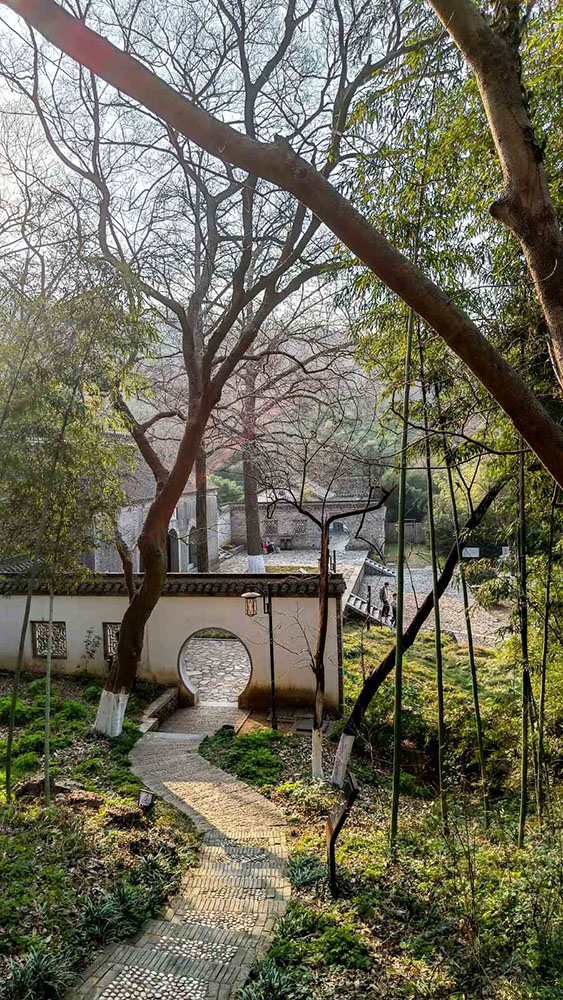
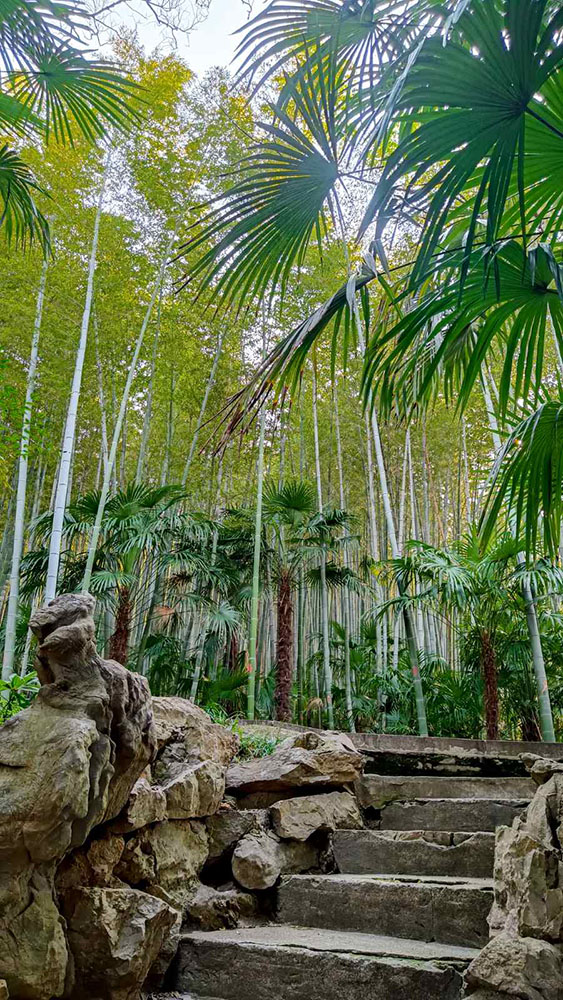
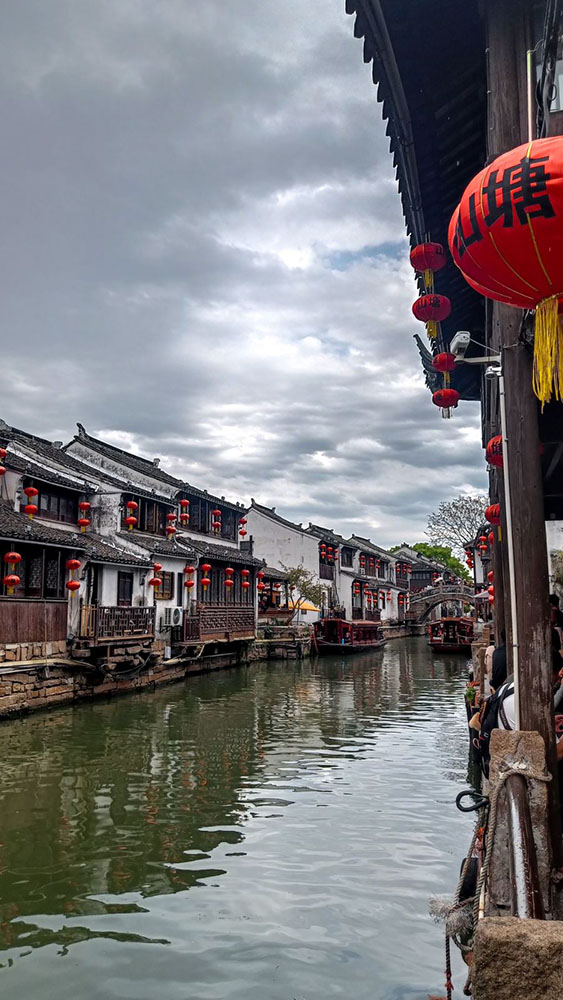
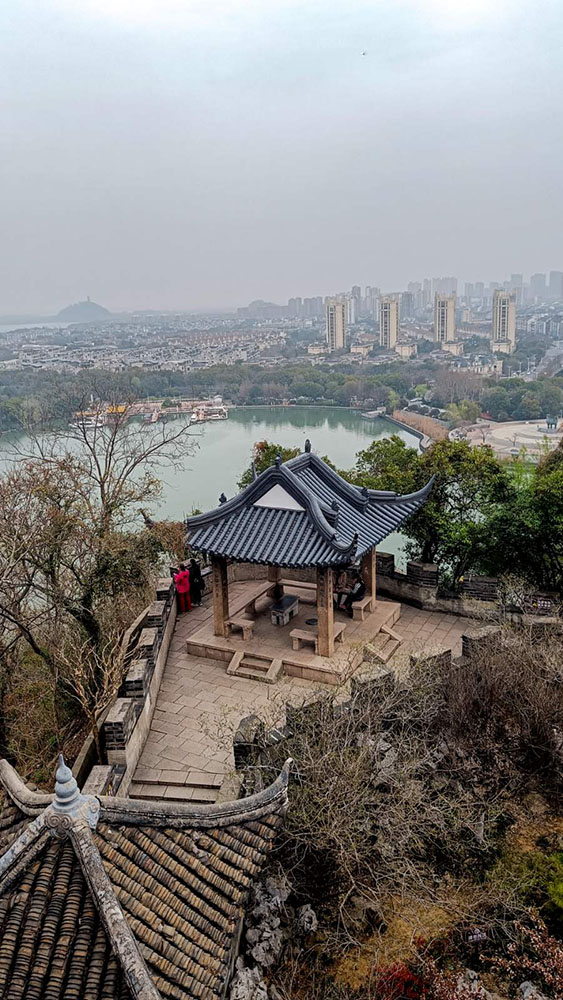
This was my third student exchange. After my previous experiences in Europe, I wanted to spend a few months on another continent and experience an environment that was very different from what I was used to. I was reminded of that almost every day, not only by the cultural differences, but also by the natural surroundings. The higher humidity, different weather and vegetation, and even the color of the sky were small but constant reminders that I was on the other side of the world.
The academic structure at Jiangsu University is different from what I am used to. The length of each course varies, so some are completed in the first part of the semester, with new ones starting afterwards. This means that students can take a relatively large number of courses within a single semester. Grades were based on a combination of class participation, presentations, and final exams, which were mostly written. What stood out to me was how engaged the students were and how many opportunities the university offered them, but also how competitive the environment could be.
During the semester, we also visited several companies and factories, which gave us the opportunity to see how some of the things we studied were applied in practice. I found the differences in business culture particularly interesting. Hierarchy is much more pronounced, and there is greater attention to formal rules of behavior and to a person’s position within an organization. I was also surprised by how often, both at the university and in everyday life, I met highly educated people, including people with doctoral degrees. Although this was probably influenced by the environment I was in and the people I spent time with, I was left with the impression that a high level of education is often simply expected and seen as something quite ordinary.
I also quickly became used to how affordable basic necessities were and how much everyday life was designed around convenience and efficiency. Deliveries, payments, transportation, and many other services are closely connected to smartphones, while the infrastructure makes even long-distance travel remarkably easy. After several journeys on high-speed trains, where around a thousand kilometers can be covered in roughly three hours, I lost my sense of geographical distance.
The same technology that makes everyday life so efficient is also reflected in the way people communicate and spend their time. I especially remember my interactions with older people, who would often approach us spontaneously, ask questions, and try to start a conversation. Even when we could not understand each other, a phone and a translation app were enough to keep the conversation going. Younger people, on the other hand, often seemed much more reserved. Phone use was almost constant, whether on the street, in restaurants, while walking, or even while driving.
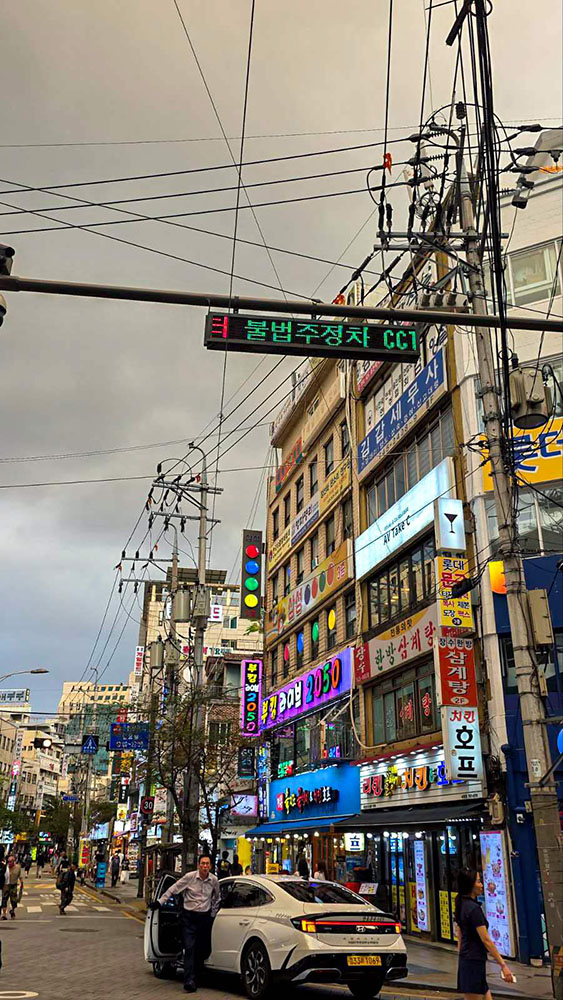
This contrast became even more noticeable when I visited Seoul at the end of my exchange. Although both China and South Korea are highly technologically developed, the way I saw young people spending their time was very different. In Seoul, phones were barely present in everyday social interactions. Young people walked along the river, sat and talked, spent time together in groups, and met new people spontaneously. They were also much more open towards foreigners, often starting conversations, inviting us to join them, and showing a genuine interest in getting to know us. The fact that communication in English was much easier certainly helped as well.
When I left for China, I expected above all a new academic and cultural experience. After four months, however, I feel that the impact of the exchange went far beyond that. Living in such a different environment changed the way I think about education, business, everyday life, and the opportunities I want to pursue in the future. For that reason, I do not see this exchange as simply another experience during my studies, but as something that, at the very end of my undergraduate journey, significantly shaped both my personal and professional path.
Gallery