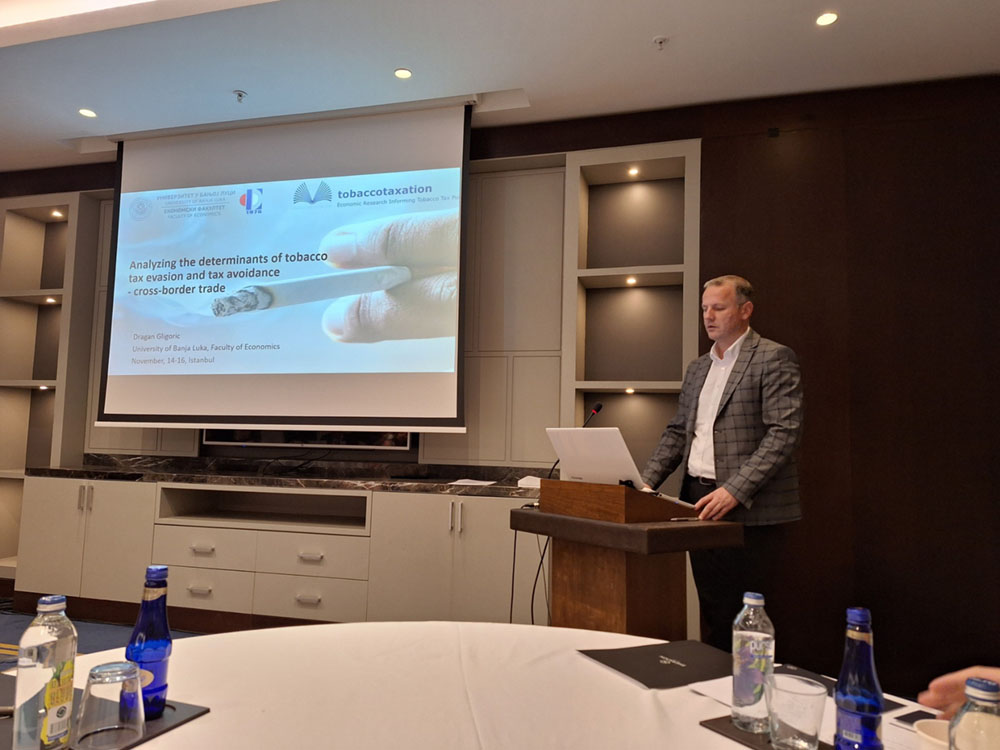
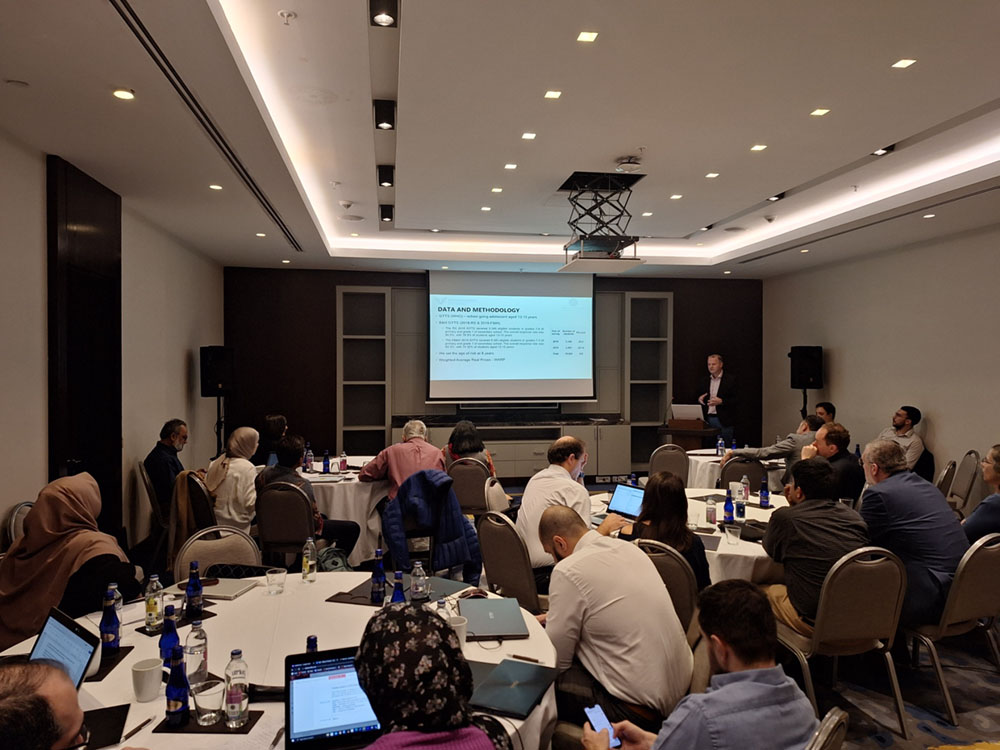
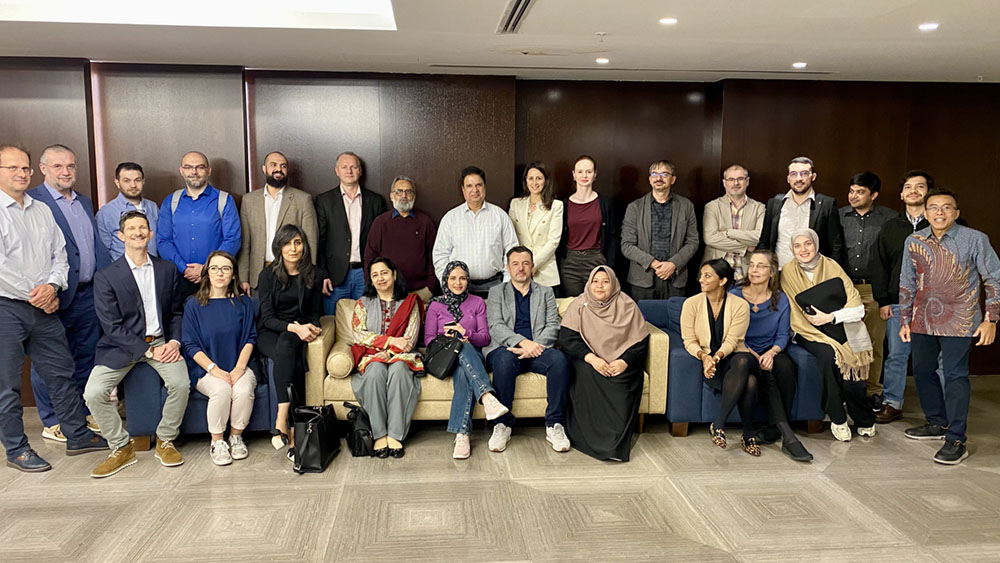
Representatives of the research team from the Faculty of Economics, University of Banja Luka – Professor Dragan Gligoric, Ph.D., and Associate Professor Zoran Borovic, Ph.D., recently attended a significant regional meeting on Tobacco Taxation from November 14th to 16th in Istanbul, Turkey. This event gathered experts and organizations representatives from across Europe and Asia, dedicated to discussing advancements in tobacco taxation and control.
At the conference, our team had the opportunity to present two important research studies. The first, led by Professor Dragan Gligoric, was titled "Effects of Tobacco Control Policies and Cigarette Pricing on Smoking Initiation Among Youth in Bosnia and Herzegovina,". The research results of this study are crucial for understanding the dynamics of smoking habits among young people in Bosnia and Herzegovina, as well as shaping effective tobacco control strategies. The second study, "B&H Tobacco Excise Tax Modeling" presented by Associate Professor Zoran Borovic, focuses on examining the impact of excise growth on cigarette consumption, fiscal revenues, and smokers' mortality. Analyses show that a significant increase in excise reduces the initiation of smoking among the youth, cigarette consumption, and the number of deaths, while, on the other hand, it increases fiscal revenues."
In addition to the research conducted by our research team consisting of Dragan Gligoric, Zoran Borovic, Nikola Vidovic, Vladana Ritan, and Project Manager Anđela Pepić, team representatives present in Istanbul also delivered a presentation on the topic "Analyzing the determinants of tobacco tax evasion and tax avoidance - with a focus on cross-border trade."
The conference, organized by the University of Illinois Chicago, gathered 35 participants from 17 different countries. It served as an excellent platform for sharing knowledge, discussing current challenges, and exploring future directions in tobacco taxation policy.
The participation of our team in this international forum highlights their dedication to contributing to global discussions on tobacco control. Their work not only enhances our understanding of these issues but also positions our institution as a leader in research in this field.
Gallery